

The Ultimate Guide to Fishing Spots in Canada
Canada is often romanticised for its snow-capped peaks and maple syrup, but for those who know their way around a rod and reel, it represents something far more exciting: a boundless aquatic playground. With the longest coastline in the world and a staggering 31,700 lakes, the Great White North offers an angling experience that is virtually impossible to replicate elsewhere. It is not just about the volume of water; it is the sheer variety of ecosystems that makes this nation a global heavyweight in the fishing community.
From the rugged, salty currents of the Atlantic to the serene, glassy surfaces of Ontario’s lakes, every province offers a distinct fishing culture and a unique set of challenges. You might find yourself battling a massive halibut off the Pacific coast one day and quietly fly-fishing for trophy trout in an Alberta river the next. The options are as vast as the landscape itself.
However, planning a trip to such a massive country can be daunting. With so many regions boasting “world-class” status, narrowing down where to cast your line requires a bit of inside knowledge. This guide explores the premier fishing spots across Canada, helping you navigate the waters, select the right charters, and understand exactly why this country is considered a fisherman’s paradise.
Why Canada is an Angler’s Dream
To understand the appeal of fishing in Canada, you have to look at the geography. The country borders three distinct oceans—the Atlantic, Pacific, and Arctic—creating a saltwater bounty that includes cod, halibut, lobster, and snow crab. Yet, the inland opportunities are just as impressive.
Freshwater enthusiasts flock here for the legendary runs in the river systems and the trophy-sized catches lurking in the lakes. Whether you are chasing smallmouth bass or looking to land a monster pike, the Canadian wilderness provides a backdrop that is as memorable as the catch itself. Beyond the sport, fishing is woven into the cultural fabric of the nation, supporting coastal communities and serving as a cherished pastime for millions.
Top Fishing Regions by Province
While you can drop a line almost anywhere in the country, specific regions are renowned for particular species and experiences. Here is a breakdown of where you should go based on what you want to catch.
British Columbia: The Pacific Heavyweight
On the west coast, British Columbia (BC) is synonymous with salmon. It is the ultimate destination for anglers looking to track chinook, coho, and sockeye salmon as they make their famous runs. Beyond salmon, the coastal waters are perfect for deep-sea excursions targeting halibut. The backdrop of BC is equally stunning, often involving temperate rainforests and mountain ranges that plunge directly into the sea.
Ontario: A Freshwater Labyrinth
If you prefer lake fishing, Ontario is arguably the best place to start. The province is dotted with thousands of lakes, making it a haven for those chasing pike, walleye, and trout. The sheer number of water bodies means you can often find a secluded spot to yourself. From the Great Lakes to the smaller, rocky bodies of water in the Canadian Shield, Ontario offers a quintessential Canadian cottage-country fishing experience.
The Atlantic Provinces: Deep-Sea Traditions
On the east coast, the Atlantic provinces (Nova Scotia, New Brunswick, Prince Edward Island, and Newfoundland and Labrador) offer a rugged, maritime experience. This region is famous for its lobster runs and deep-sea fishing. It is the place to go if you want to experience the history of the commercial fishery alongside recreational angling. The culture here is deeply tied to the ocean, and the local knowledge is second to none.
The Prairies and Alberta: Hidden Gems
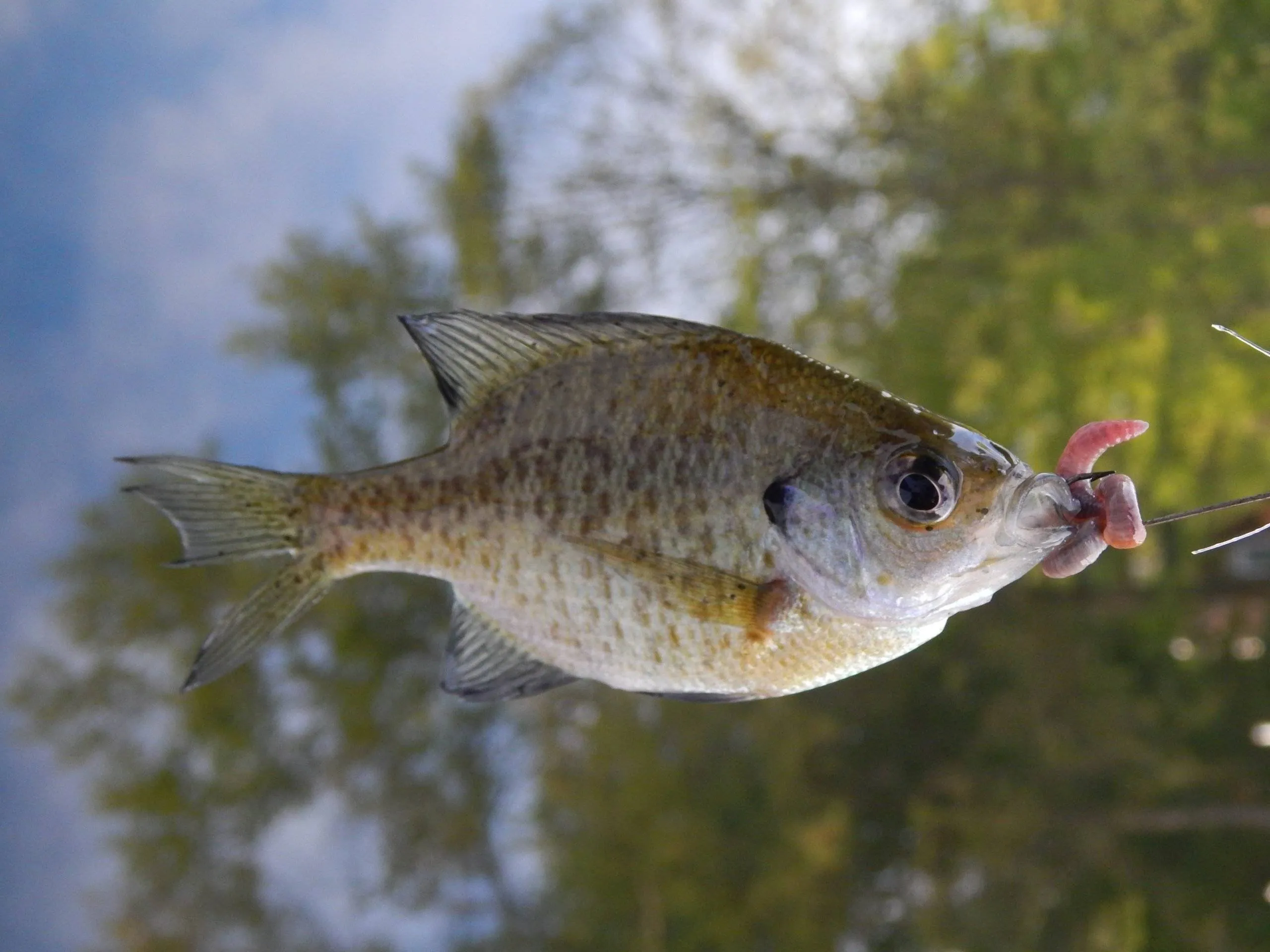
Moving inland, the flatlands and foothills offer surprising diversity. The Prairies are often overlooked but serve as hidden treasures for bass and crappie fishing. Meanwhile, Alberta offers a different pace. Known for its pristine rivers flowing from the Rockies, it is a hotspot for trophy trout. The clear, cold waters here provide excellent visibility and a technical challenge for fly-fishing enthusiasts.
Planning Your Canadian Fishing Trip
Once you have selected your region, the logistics of the trip come into play. Canada’s size means you cannot simply drive from one spot to another in a few hours. Successful trips usually rely on booking the right services and accommodation.
Choosing the Right Charter
Unless you are towing your own boat across the continent, you will likely need a charter. There are unparalleled options available depending on your skill level and desired comfort:
- Classic Charters: These are ideal for families or first-time anglers. They take the stress out of the day, providing the gear and the guidance needed to get fish on the boat.
- Motor Yachts: for those looking to elevate the experience, luxury yachts allow you to fish in style and comfort.
- Sailing Charters and Gulets: If you want to combine the thrill of the catch with the serenity of sailing, these charters offer a unique way to view the seascapes.
Accommodation: From Rustic to Regal
Your choice of lodging can define the tone of your trip. Canada is famous for its fishing lodges and resorts. Some are fly-in only, offering a rustic, off-the-grid experience where the focus is entirely on the water. Others are luxury resorts nestled by beautiful lakes and rivers, equipped with spas and fine dining for post-fishing relaxation. These resorts often provide guided tours, ensuring you are right on the fish from the moment you wake up.
Essential Gear and Preparation
Even with a guide, preparation is key. The weather in Canada can be unpredictable, so packing smartly is essential. Always carry backup gear, appropriate clothing for changing conditions, and a cooler for your catch.
Furthermore, regulations vary significantly by province. You must ensure you are compliant with local licensing rules and catch quotas. Understanding the seasons is also critical; targeting bass in the spring is a very different game from chasing salmon in the fall.
Community and Expert Insights
Fishing is rarely a solitary pursuit, even when you are alone on a boat. There is a massive community of anglers who share tips, stories, and advice. Platforms like Fisherman.ca have become hubs for this community, offering a space to read scout-worthy fishing stories and learn from expert insights.
Engaging with this community can provide you with specific tips, such as the best bait for smallmouth bass or safety protocols for ice fishing adventures. Whether it is joining a live Q&A session or simply reading up on sustainable fishing practices, tapping into local knowledge is the best way to upgrade your skills from novice to pro.
Frequently Asked Questions
Do I need a licence to fish in Canada?
Yes, fishing licences are required in Canada and are managed at the provincial level. Regulations, costs, and purchasing methods vary depending on whether you are in Ontario, British Columbia, or elsewhere. Always check the specific provincial regulations before you head out.
What is the best time of year to fish in Canada?
It depends entirely on the species. Spring is often excellent for bass, while late summer and autumn are prime times for salmon runs in BC. Winter opens up unique opportunities for ice fishing for species like pike.
Can I experience ice fishing in Canada?
Absolutely. Ice fishing is a popular winter activity, particularly in Ontario, Quebec, and the Prairies. It requires specialized gear like ice tents and augers, so booking a guide is recommended for beginners.
Cast Your Line into the Great White North
Canada’s fishing scene offers a rare combination of abundance, variety, and natural beauty. It is about the adrenaline of the strike, the quiet of the morning mist on a lake, and the connection to a tradition that spans generations. Whether you are looking to battle deep-sea giants or relax by a river with a fly rod, the opportunities are endless.
Preparation is your best ally in navigating this vast landscape. By researching your region, booking the right charter, and ensuring you have the correct gear and licences, you set the stage for a trip that is seamless and memorable. The waters are waiting—all you have to do is cast your line.